Wit’s end notes
Featured


Witty composing the wit and the wisdom
THE Archive

What a Good Tutor Does (It May Not Be What You Think)
A good tutor isn’t a homework buddy or a GPA mechanic. A good tutor is a cognitive architect—someone who builds the internal systems a student needs to think, plan, regulate, and learn. Classroom teachers must generalize for thirty; tutors specialize for one, diagnosing precisely where a student is stuck and constructing the scaffolding that moves them from confusion to competence.
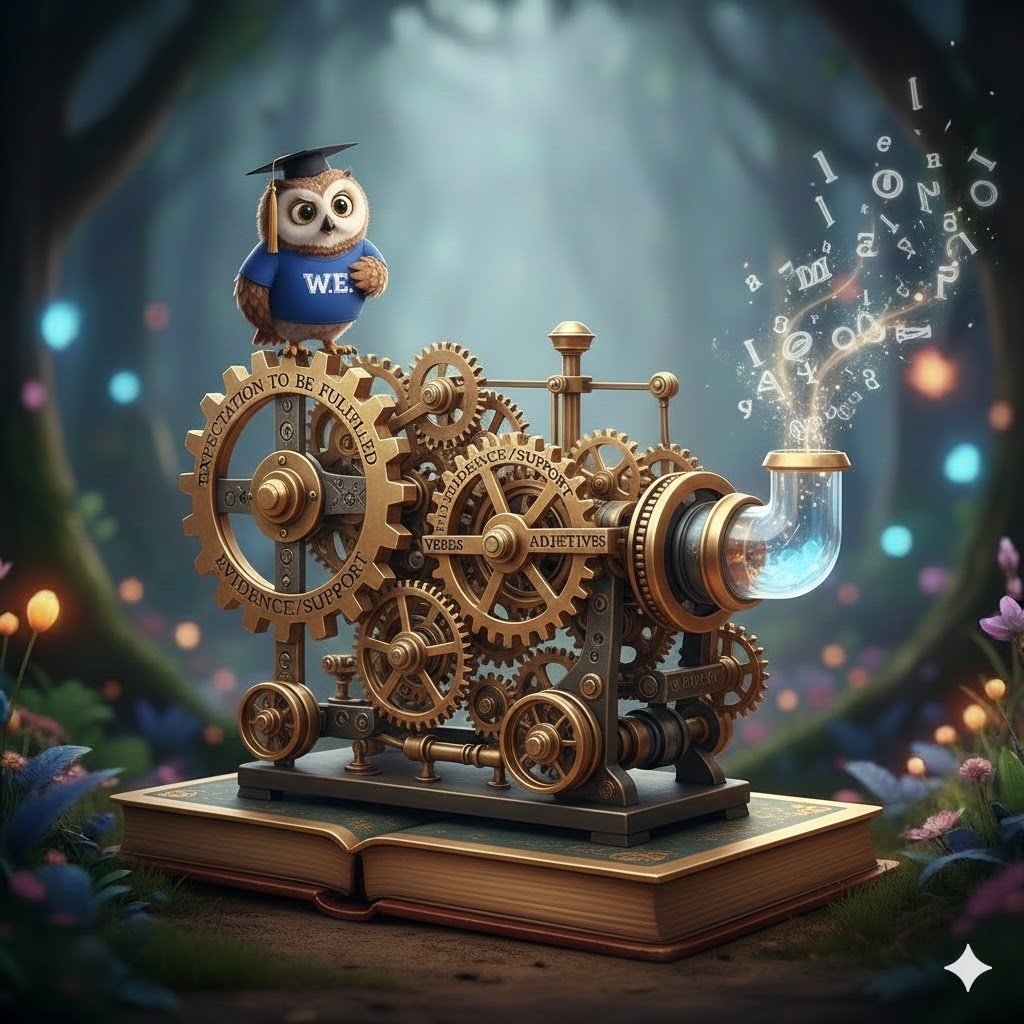
Paragraph Ex Machina: The Nuts and Bolts of a Strong Paragraph
A paragraph isn’t a box to be filled; it’s a machine built to do cognitive work. The school‑taught formula—topic sentence, example, “this example shows…”—gives students almost nothing to think, only something to perform. Real paragraphs don’t announce themselves and then trot out a single illustration like a show pony. They set up an expectation, explain why that expectation matters, supply evidence that actually moves the thinking forward, and then deliver an insight that transforms the material. In other words, a strong paragraph doesn’t point at an example and paraphrase it; it builds a small engine of reasoning. Once students learn to assemble that engine, they stop writing to meet a template and start writing to make meaning.

I’m Not a Math Person or Brain Freeze?
Most kids don’t freeze in math because they’re “not math people.” They freeze because math often demands more than the brain’s short‑term memory can hold. When working memory overflows, students stall — not from laziness, but from cognitive overload. The good news? With the right representations, that freeze can melt.

Fractious Fractions and Recalcitrant Radicals: The Straits of Algebraltar
Algebra I is the single biggest academic chokepoint in U.S. education. Students don’t fail because they’re not “math people,” but because foundational cracks—fractions, ratios, executive function—widen into chasms. What happens here ramifies not only through students’ educations but potentially through their lives.
My Common App for an Uncommon Job
Every year, students are asked to write themselves into being — to explain who they are and how they got here. It’s a tall order, especially when you’re seventeen and the world keeps shifting under your feet. So I decided to do the assignment too. What follows is the essay I’d submit if I had to apply for the job of teaching your kid. It’s the story of how I became the kind of teacher who believes a single moment can change everything.

Reading is Fundamental, but Why Isn’t It Fun?
Students don’t hate reading; they hate not understanding. When texts outpace their skills, motivation drops, anxiety rises, and “I don’t get it” quietly becomes “It’s boring.” The problem isn’t attitude — it’s cognitive overload, missing background knowledge, and a school culture that mistakes decoding for comprehension.

Cursing the Cursor: The Myth of Writer’s Block
“Writer’s block exists in precisely the way UFOs exist—on the strength of belief. If someone believes—I mean really believes—then that belief matters, and if it matters, it’s real enough. That the words aren’t landing matters to the writer about to hit a deadline like a crash‑test dummy. It’s not whether writer’s block exists, but why.”

Shifting Focus: Executive Function in the Cerebral Driver's Seat
Kids don’t struggle because they’re not smart; they struggle because school demands more executive function than we tend to teach. EF is the system that helps students plan, focus, remember instructions, and adapt when things get hard. And the good news? It’s trainable.

SAT vs. ACT: Navigating the Duopoly
A practical breakdown of the 2025 SAT and ACT revisions, what each exam now emphasizes, and how to decide which path aligns with your thinking style and pacing comfort.
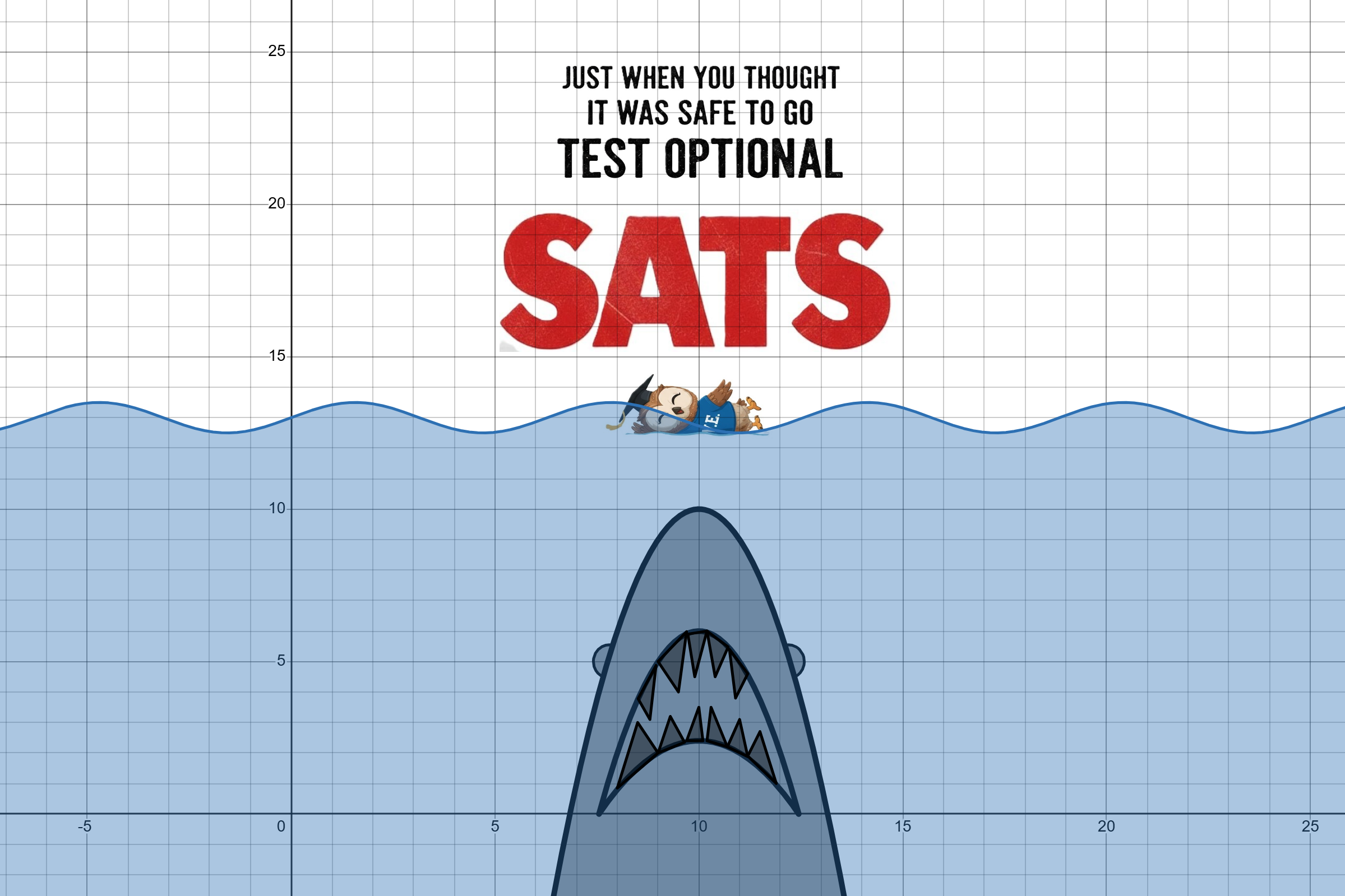
The Truth About Test Optional
The truth behind test‑optional admissions: who benefits, who doesn’t, and why score‑submitters continue to be admitted at higher rates across every demographic.
Kids don’t struggle because they’re not smart; they struggle because school demands more executive function than we tend to teach. EF is the system that helps students plan, focus, remember instructions, and adapt when things get hard. And the good news? It’s trainable.